FAQ
What is the difference between an overcoat and a peacoat?An overcoat is typically a long, heavy coat that is worn over other clothing to provide warmth and protection from the elements. These are often made of wool or similar material and can be single-breasted or double-breasted.
On the other hand, a peacoat is a shorter, double-breasted coat that originated in the naval forces. It is usually made of a heavy wool blend and features a wide lapel and large buttons.
What is the difference between single-breasted and double-breasted coats?Single-breasted coats have a single row of buttons down the front, while double-breasted coats have two parallel rows of buttons.
Single-breasted coats are more common and versatile and have a more streamlined and modern look. On the other hand, double-breasted coats have a more formal and traditional appearance. They often feature peak lapels and have a more structured and tailored fit.
Can you wear a men's peacoat in different seasons?Yes, you can! Peacoats are pretty versatile and can be worn in both colder and milder weather.
In colder seasons, you can layer it over sweaters or hoodies for added warmth. In milder seasons, you can wear it over lighter clothing such as t-shirts or dress shirts.
How can I clean my overcoats and peacoats?If there are any visible stains or spots on your coats, you can try spot cleaning them first. Use a mild detergent or stain remover and gently dab the affected area with a clean cloth but avoid rubbing vigorously as it may damage the fabric.
If your coats are not machine washable or if you prefer professional cleaning, take them to a trustworthy dry cleaner.
What's the best men's overcoat under $500?Spier & Mackay charcoal wool topcoat ($329) and Suitsupply Houndstooth Overcoat ($499) are the best fit-to-price options in the under-$500 range — proper Italian wool, fully canvased chest, modern slim cut without being skinny. Banana Republic Italian Melton wool topcoat (~$398 on sale) is the runner-up. Avoid H&M, Zara, and Topman wool-blend overcoats at this price — polyester-heavy blends that pill, retain no shape, and read cheap on close inspection.
Peacoat vs overcoat — which should I buy first? Overcoat. It's longer (mid-thigh to knee), more formal, and works over a suit — meaning it covers business, weddings, funerals, dates, and casual wear in one purchase. The peacoat is a shorter (hip-length), more casual, double-breasted naval silhouette that sits awkwardly over a suit jacket. If you only own one winter coat, make it a single-breasted charcoal or navy overcoat. The peacoat is purchase #2 for casual cold-weather rotation. Can you wear an overcoat with jeans?Yes — but only with dark wash slim jeans and the right base layer (a fine-gauge knit, turtleneck, or Oxford shirt — never a hoodie or graphic tee). The combination works because the overcoat formality elevates the jeans into smart-casual territory. Footwear must match the elevation: brown leather Chelsea boots or dark brown derbies. Skip white sneakers — the formality mismatch breaks the outfit.
What's the right length for an overcoat?Mid-thigh to just above the knee for most men — long enough to cover a suit jacket hem completely, short enough to avoid looking like a costume coat. Tall men (6'1"+) can go to the knee. Shorter men (5'8" and under) should stop at mid-thigh to avoid foreshortening their leg line. The single most common fit mistake is buying an overcoat that ends at the suit jacket hem — the result reads as a sizing accident.
Peacoat and Overcoat Mistakes Most Men Make
- Too Boxy
This makes stocky men look really wide and/or short and thin guys look even thinner.
- Too Long
This would technically fall under fit, but it's such a big problem that it deserves to be included here. Your overcoat is designed to go over your clothing, not be a blanket you threw over yourself! The worst is when I see guys' sleeves going past the beginnings of their palms or their coats hitting mid-shin. If a coat goes past your knees, it's going to collect dirt, mud, and salt stains on the bottom – gross!
- Too Complicated
Some of my male friends suffer from this: They just have too much stuff going on with their coats. You don't need epaulets/shoulder straps, sewn-in sweaters or hoodies, or a bunch of pockets or zippers or… things hanging off your coat. It looks cheap and tacky.
- Too Trendy
Even though I work in the fashion industry and attend the various Fashion Weeks around the world, good lord, there are some jackets I see guys wearing on the street and I just wonder what happens once it goes out of style in a few weeks. I would never recommend something trendy as a Men's Wardrobe Essential because you'll probably only get one winter's worth of wear out of it.
- Not Appropriate For the Climate
If you live in a warmer climate and are wearing a long overcoat without a suit, you look silly. There's a time and a place for everything and it's important to understand this in all things, but definitely in regards to coats.
What Coat(s) Should You Own?
A man should own at least one of these two coats, maybe both. See below to determine whether you need one or both coats in your closet.
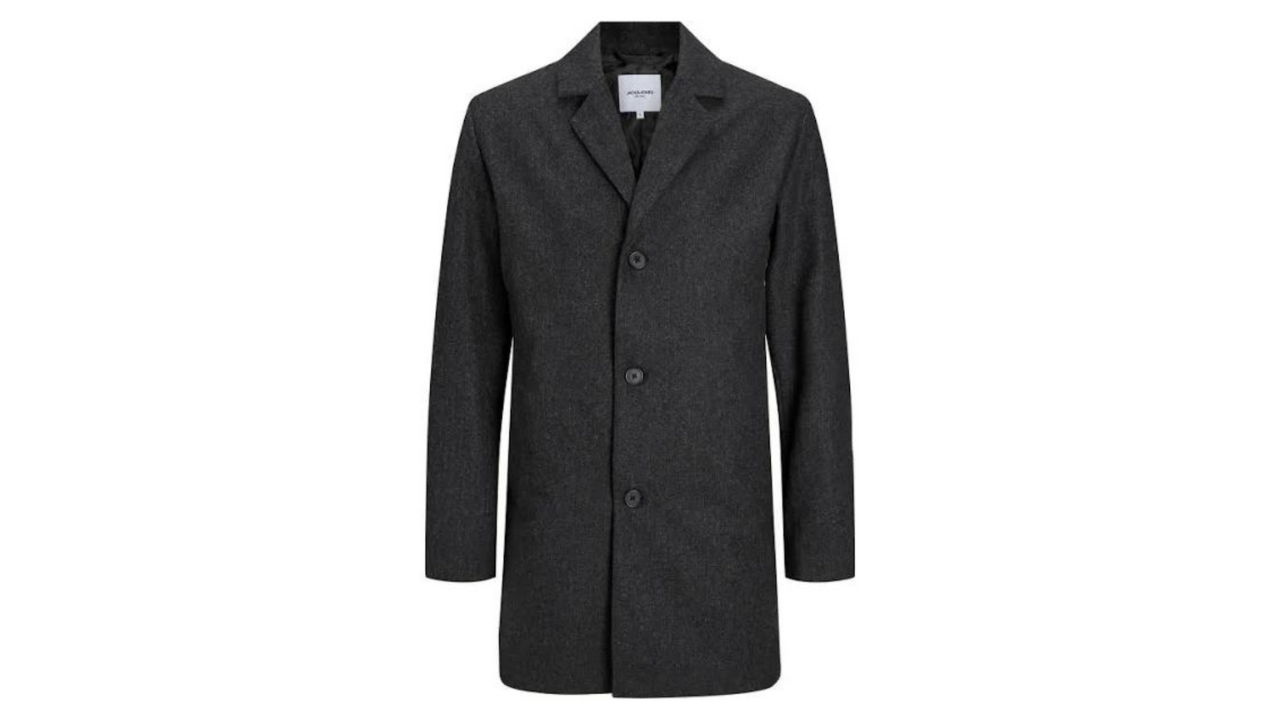
Overcoat
There are two factors to determine whether you should own an overcoat:
- Does it snow where you live?
An overcoat is essential if it snows where you live because it'll cover more of your body and be a great coat to layer clothing under to keep warm on colder days.
- Do you wear suits often?
If you wear suits, regardless of your climate, you need an overcoat because this is the only coat that compliments a suit. A Peacoat won't work with a suit because (if it fits properly) it's too short to cover a blazer or suit jacket as well as too casual for this type of outfit.
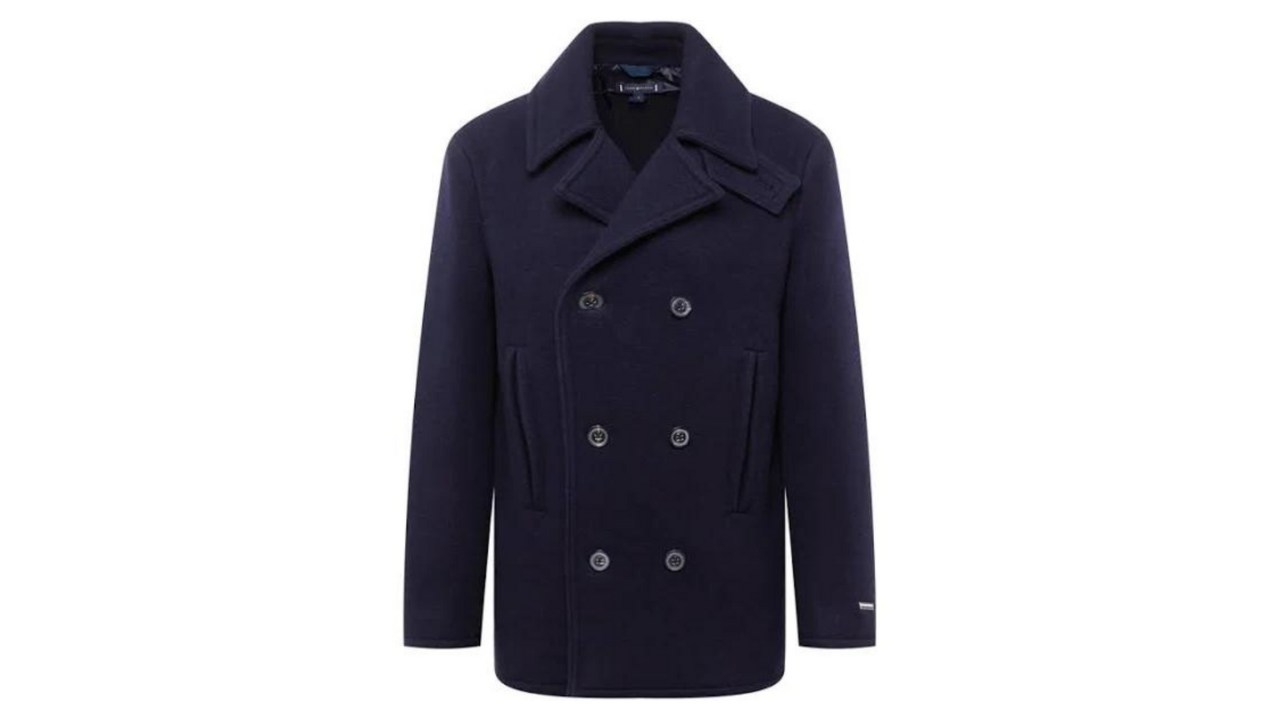
Peacoat
Every guy, regardless of his climate or whether he wears suits regularly or not, should own a Peacoat because it's great for casual cold-weather outfits.
If you live in a colder climate, it's also great for warmer winter days and through the early parts of Spring. Notice I'm leaving out Fall. This is because that's when a blazer, trucker, and Harrington jacket really shine.
For moderate/warmer climates, like Southern California, a Peacoat will be your "winter" coat.
Double-Breasted Or Single-Breasted?
A proper Peacoat is always double-breasted, so that's not an issue.
As for Overcoats, stick to a single-breasted coat because a double-breasted Overcoat would require you to wear it buttoned 24/7 since it looks really big and floppy when it's left unbuttoned.
The single-breasted option gives you the option to wear it buttoned or unbuttoned while still looking sharp and form-fitting.
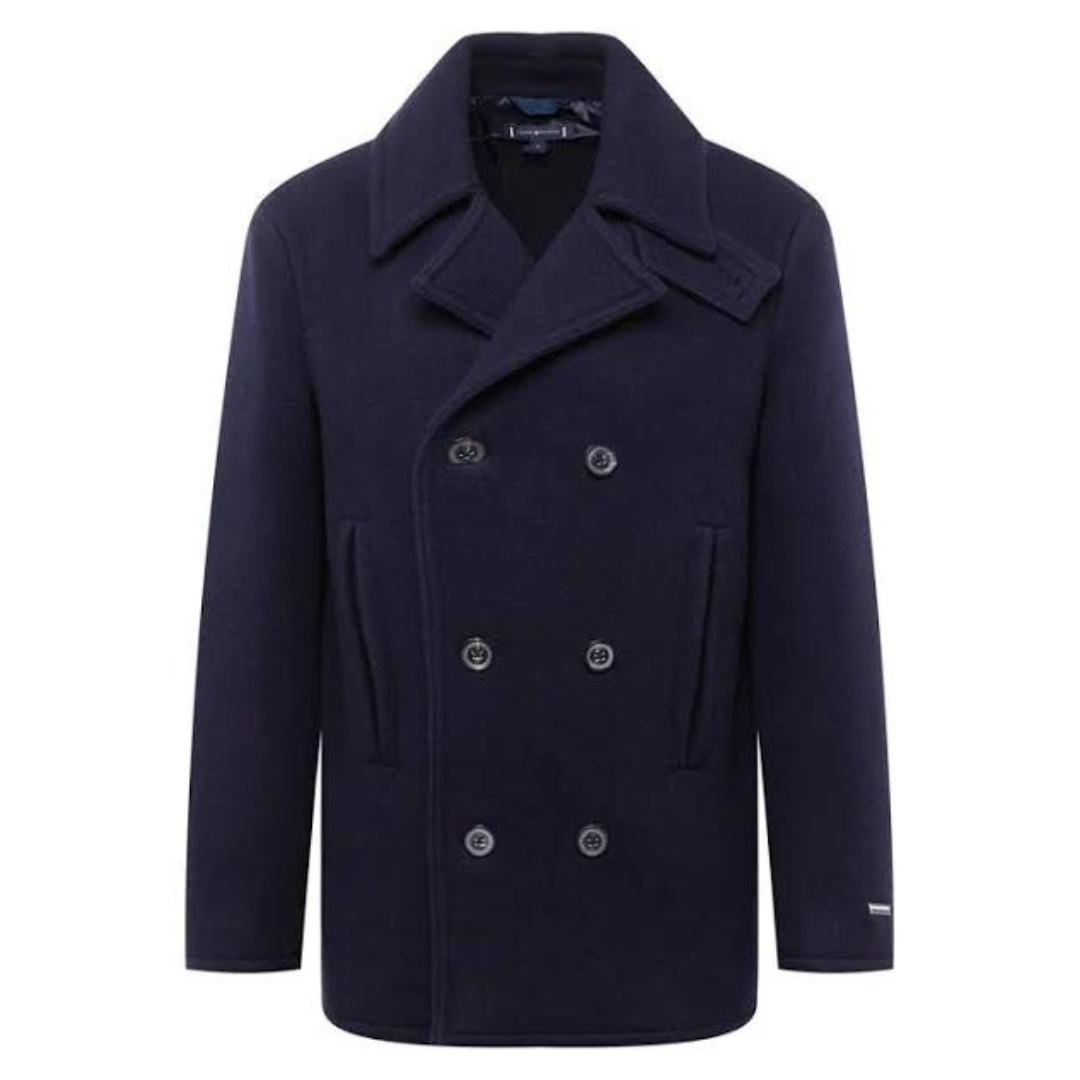
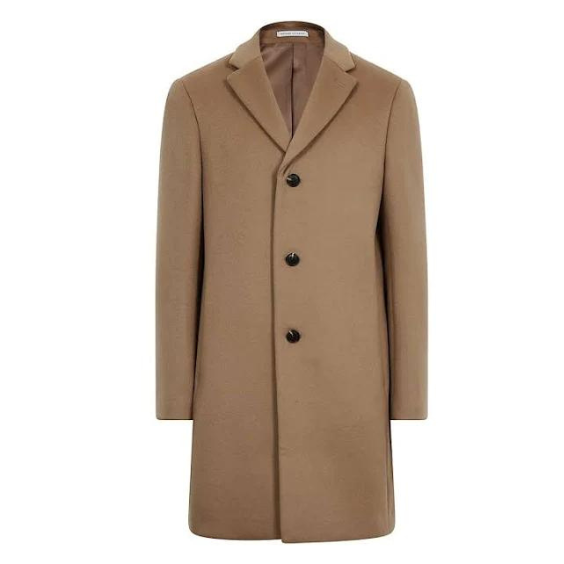
Colors
Peacoats- You always want to go with a navy color.
- This is a classic shade that is super versatile when paired with other cold-weather items.
Overcoats- If this is your first overcoat, go with dark gray or black.
- If it's your second, get one in camel to inject some color into your wardrobe, as it's still a neutral color that will go with the rest of your wardrobe essentials.
Fabrics
You should always try and go for wool as this is the warmest and most durable fabric.
Alternatively, you can always go for a wool blend with a synthetic or nylon fabric as these are cheaper. Just don't go for any less than 80% wool.
How a Peacoat Should Fit
When trying on a Peacoat, make sure you're NOT wearing a suit jacket or blazer underneath, because this coat is not meant to be worn with those items.
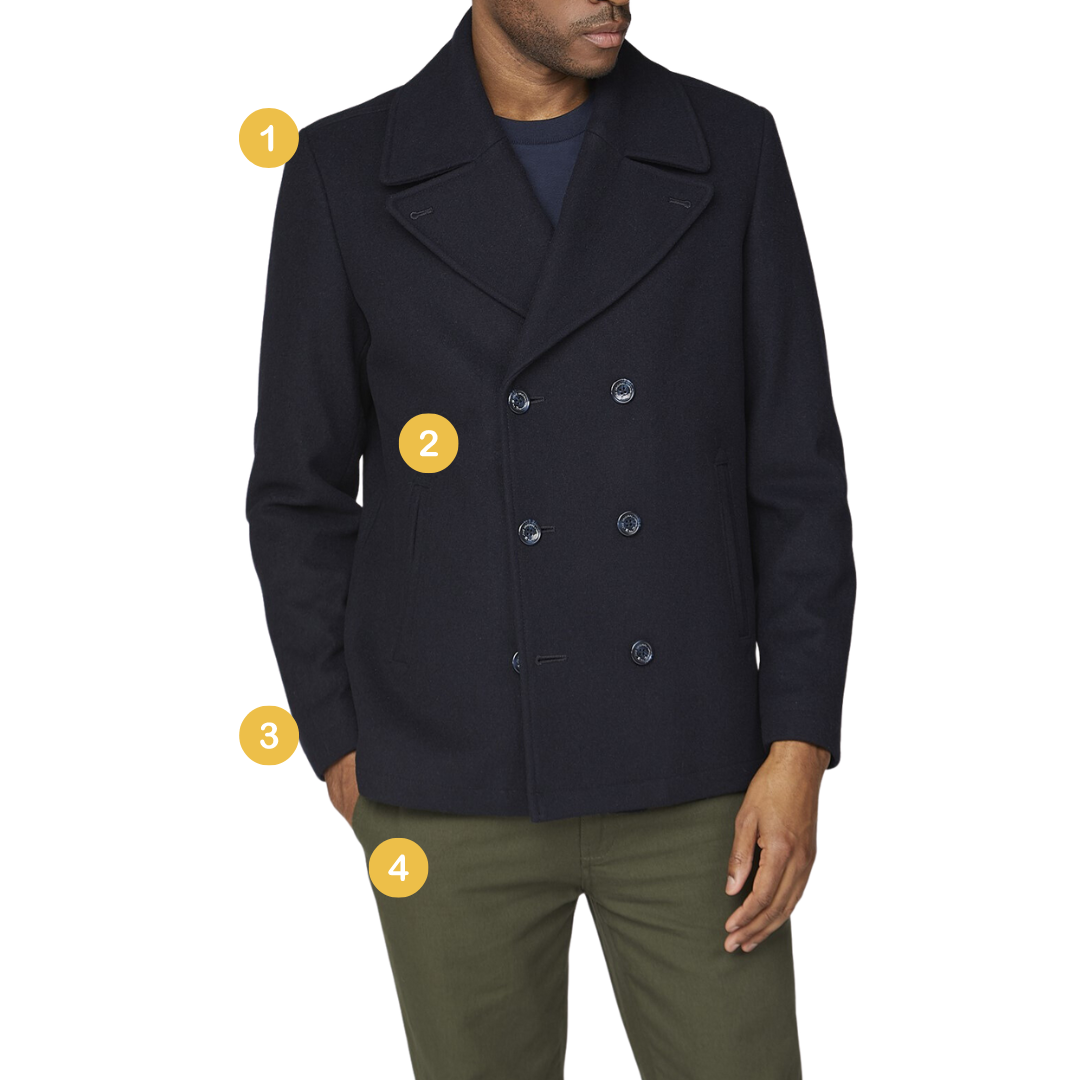
- You want the shoulder seams of your peacoat to end where your shoulders naturally end – where they start curving down to your arm, basically.
- When buttoned, the jacket should lightly hug your midsection, but not feel tight or constricting. It shouldn't be pulling at any of the various buttons on the front, making any creases in the front.
- With your arms straight down, bend your wrist, so your palms are facing the ground, and the sleeves should lightly touch the top of your hand.
- When wearing your peacoat, leave the bottom two buttons unbuttoned. It allows the coat's bottom to flow better when walking or sitting.
How an Overcoat Should Fit
When trying on Overcoats, make sure you're wearing a proper-fitting suit jacket or blazer so you can see how it'll really fit. Trying on an Overcoat with just a shirt underneath will likely result in getting one that is too small and will look horrible when you're wearing it with the proper clothing underneath it.
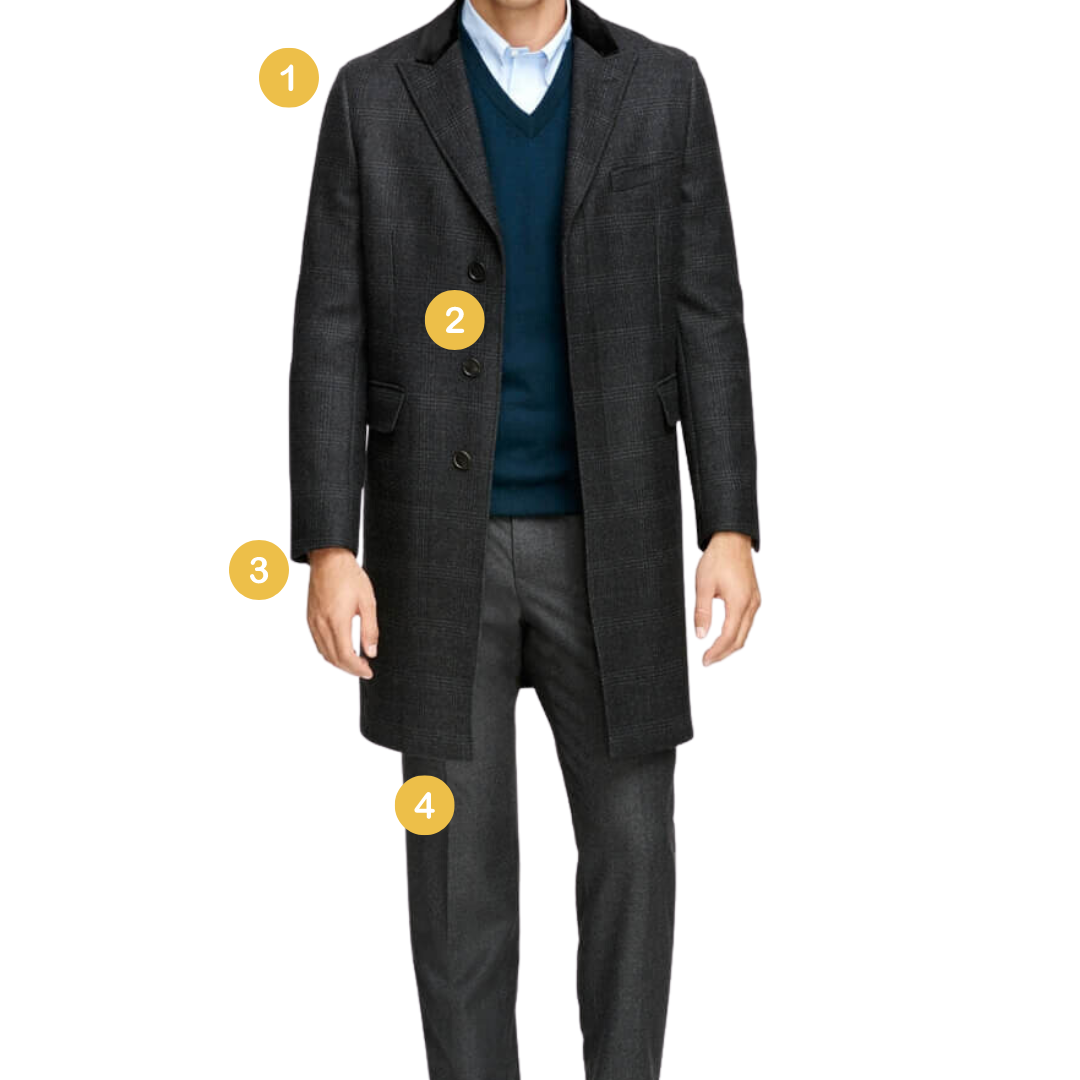
- You want the shoulder seams of the coat to end where your shoulders end.
- When buttoned, the coat should not be roomy but should lie close to your body.
- With your arms straight down, bend your wrist, so your palms are facing the ground - the sleeves should lightly touch the top of your hand.
- No matter what climate you live in, your overcoat should end somewhere above your knee – never longer. Aim for the mid-thigh area.
Like with almost all your clothing, your coats can and should be tailored, but you always want to make sure at least the shoulders fit, because it's very difficult and costly for a tailor to fix these, if they can at all.
Outfit Ideas
Casual

A lot of guys consider a peacoat to be a smarter item, but as we can see here it works really well when paired with more casual items (like running shoes). If you wanted to dress the whole thing up, you could swap out the sweatshirt for a crewneck sweater or the athletic shoes for some clean white low tops.
Elevated Casual
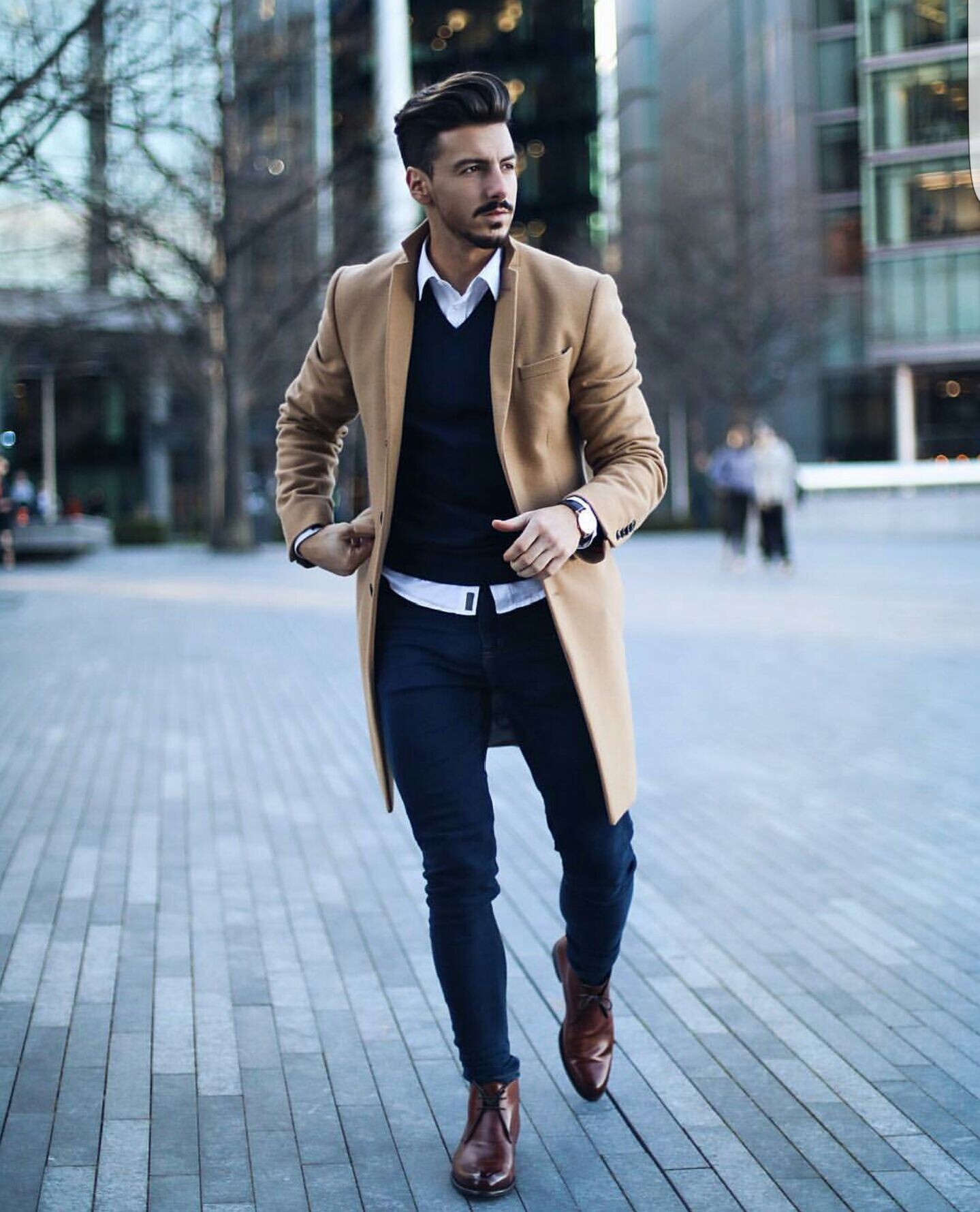
Here we have a classic layered outfit that's perfect for winter. If you want a more subdued look, then you could always swap out the camel overcoat for a charcoal version and if the chukkas aren't your thing, then go for a pair of Oxford dress shoes or brown lace-up boots instead.
Business Casual
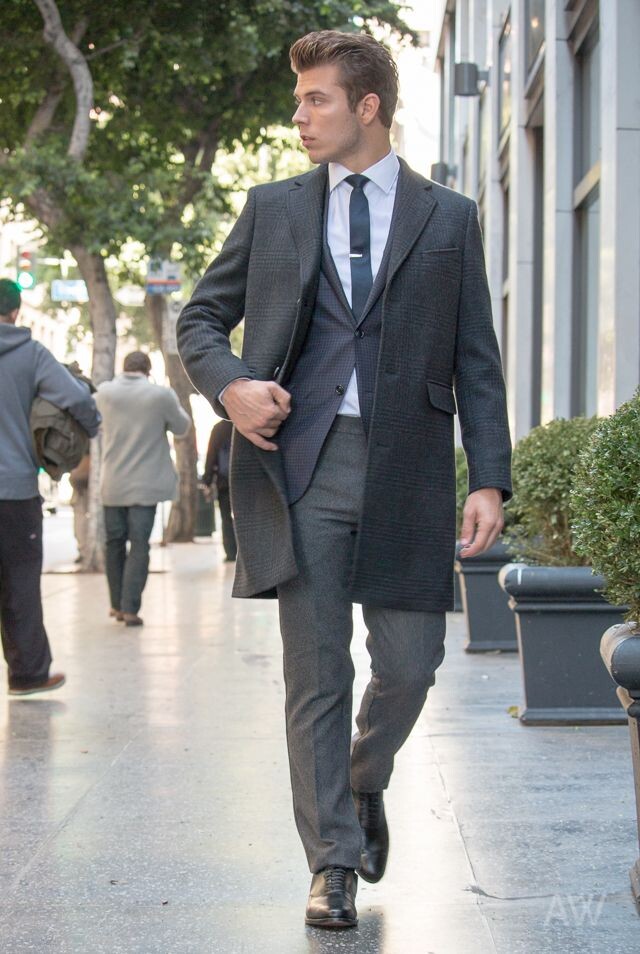
This outfit would work for so many different environments from weddings to business meetings. Dress it down by getting rid of the blazer and replacing it with a black v-neck sweater.