Frequently Asked Questions
How often should men get their hair cut?To maintain a neat and well-groomed look, it's generally recommended to get a haircut every 4-6 weeks. Men with shorter styles or faster-growing hair may opt for a trim every 2-3 weeks.
What factors should be considered when choosing a men's haircut?- Face Shape: Certain hairstyles enhance specific facial features, making it important to choose a style that complements your face shape.
- Hair Texture and Thickness: Some styles suit particular hair types better and may require varying levels of maintenance.
- Personal Style and Lifestyle: Your haircut should reflect your aesthetic while remaining practical for your daily routine.
- Straight: Smooth and free of natural curl or wave.
- Wavy: A balance between straight and curly, with gentle bends or waves.
- Curly: Defined curls or spirals that add texture and volume.
- Coily: Tight coils or zig-zag patterns with a dense structure.
It's generally recommended to wash hair every 2-3 days, using shampoo and conditioner tailored to your specific hair type and needs.
What are the different hair styling products for men?- Pomade: Delivers a shiny, flexible hold.
- Wax: Offers a matte finish with medium hold.
- Gel: Creates a strong, crisp hold for structured styles.
- Mousse: Adds volume and texture.
- Hairspray: Locks styles in place for lasting hold.
Timeless men's hairstyles include the crew cut, buzz cut, pompadour, and classic taper. These enduring styles have remained popular for decades.
What is the most popular men's haircut in 2026?The textured crop with a fade continues to dominate in 2026. It's low maintenance, works across face shapes, and looks sharp in both casual and professional settings. The mid fade with a messy textured top is the most requested cut in modern barbershops.
What haircut should I ask my barber for?Start by knowing your face shape and hair type. Then communicate three things: the style name (e.g., "textured crop"), how short you want the sides (guard number), and how long to keep the top (in inches). Bring 2-3 reference photos from different angles.
How do I know what haircut suits me?Your face shape is the primary guide. Oval faces suit almost any style. Round faces need height and angular cuts. Square faces complement classic, structured styles. Hair texture and lifestyle also play a role.
What are the different types of men's haircuts called?The main categories are fades (low, mid, high, skin), classic cuts (crew cut, buzz cut, ivy league, caesar), and longer styles (pompadour, quiff, side part, undercut). See the haircut names chart below for the complete list.
What haircut makes you look younger?Textured styles with movement create a youthful appearance. A textured crop, messy quiff, or natural side part all add energy. Avoid overly slicked or rigid styles. A well-chosen fade also sharpens the look and adds modernity.
What hairstyles should I avoid?Styles like mullets, bowl cuts, rat tails, and overly long, unkempt hair are often considered outdated, unprofessional, or unflattering.
How do I cut my own hair?Simple: don't. Unless you're a professional barber or opting for a buzzcut, avoid cutting your own hair.
How do I choose the right barber for me?Consider factors like experience, expertise, customer reviews, recommendations, price range, and location.
How To Find a Man's Face Shape
Your face shape is the determining factor in finding the best haircuts and hairstyles. See this guide to finding a man's face shape to determine that before going any further.
Best Hair Cuts and Styles For Your Face Shape
Selecting a hairstyle that complements your face shape is key to always looking your best.
Rectangle/Oblong
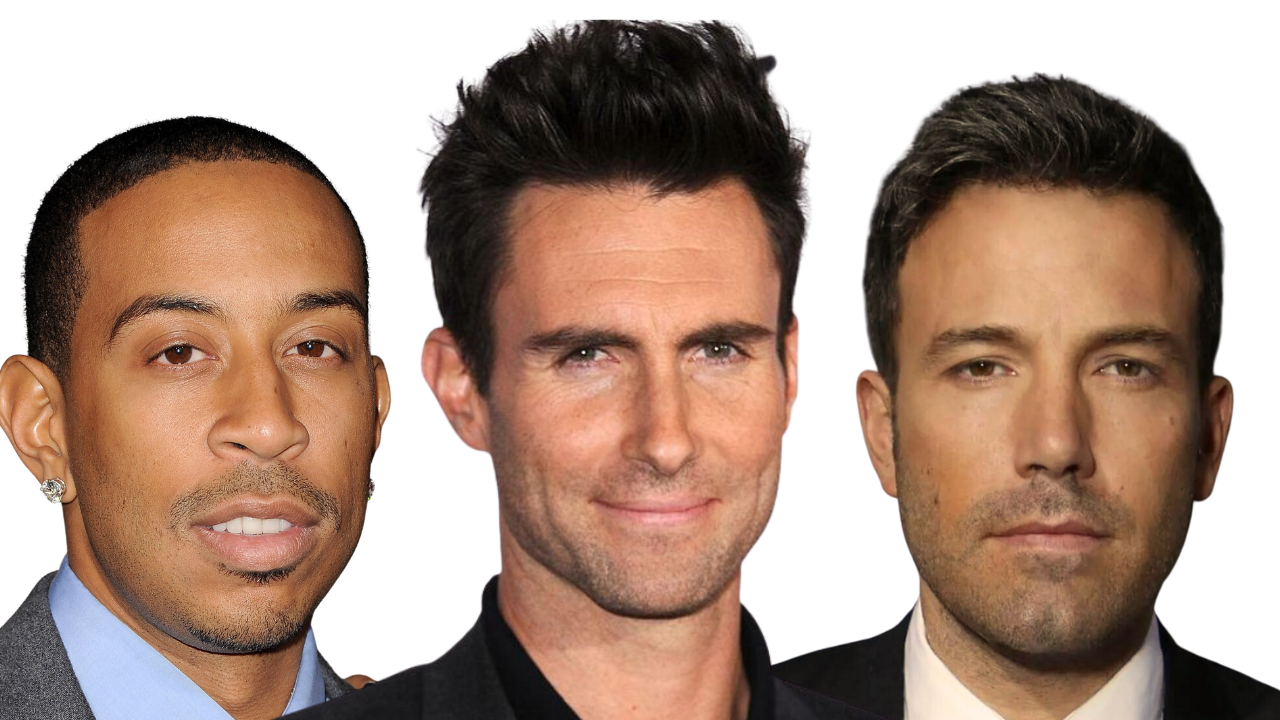
A rectangular face benefits from hairstyles that soften angular features and avoid elongating the face further. Ideal styles add width and volume to the sides.
Recommended Styles:- Medium-Length Textured Crop
- Classic Side-Part
- Layered Hairstyle with Side-Swept Fringe
Oval
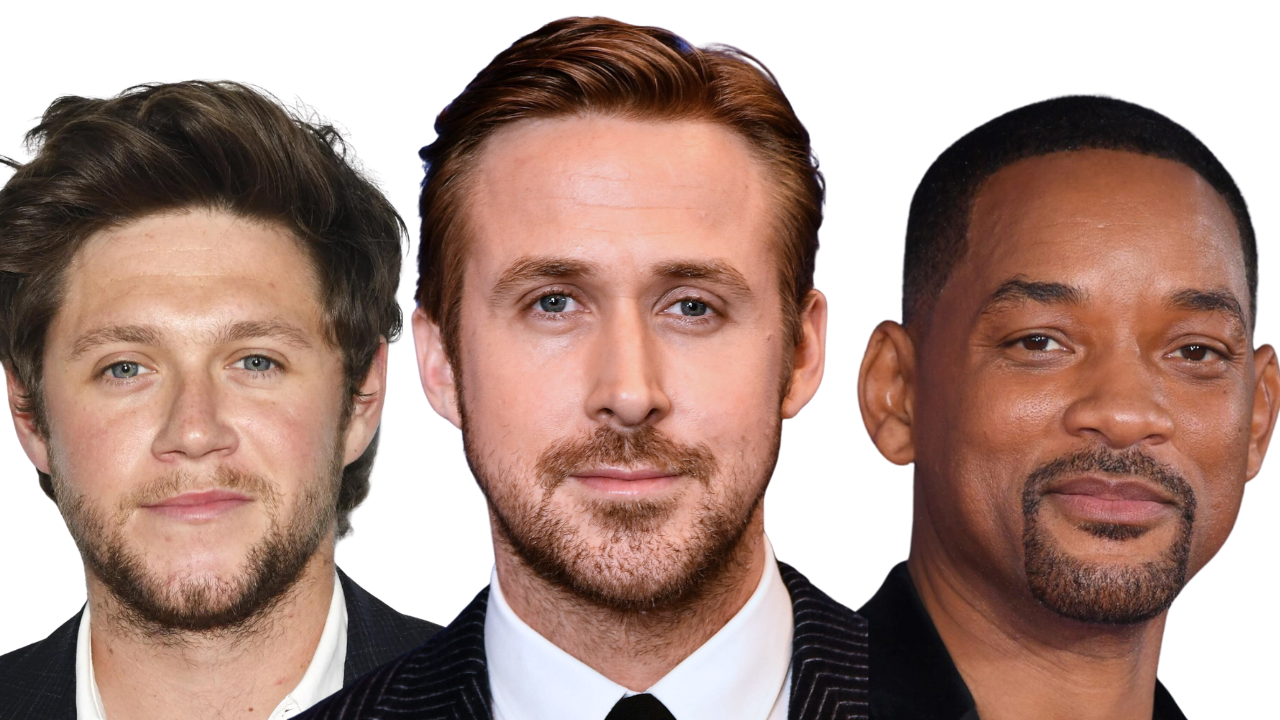
An oval face shape suits most hairstyles. Create volume and angles on top while keeping the hair off the forehead.
Best Hairstyles: Short Sides with Longer Top, Quiff or Side Part. Avoid forward-fringe styles. For Black Men: High Fade, Buzzcut, Short Textured Cut.Square
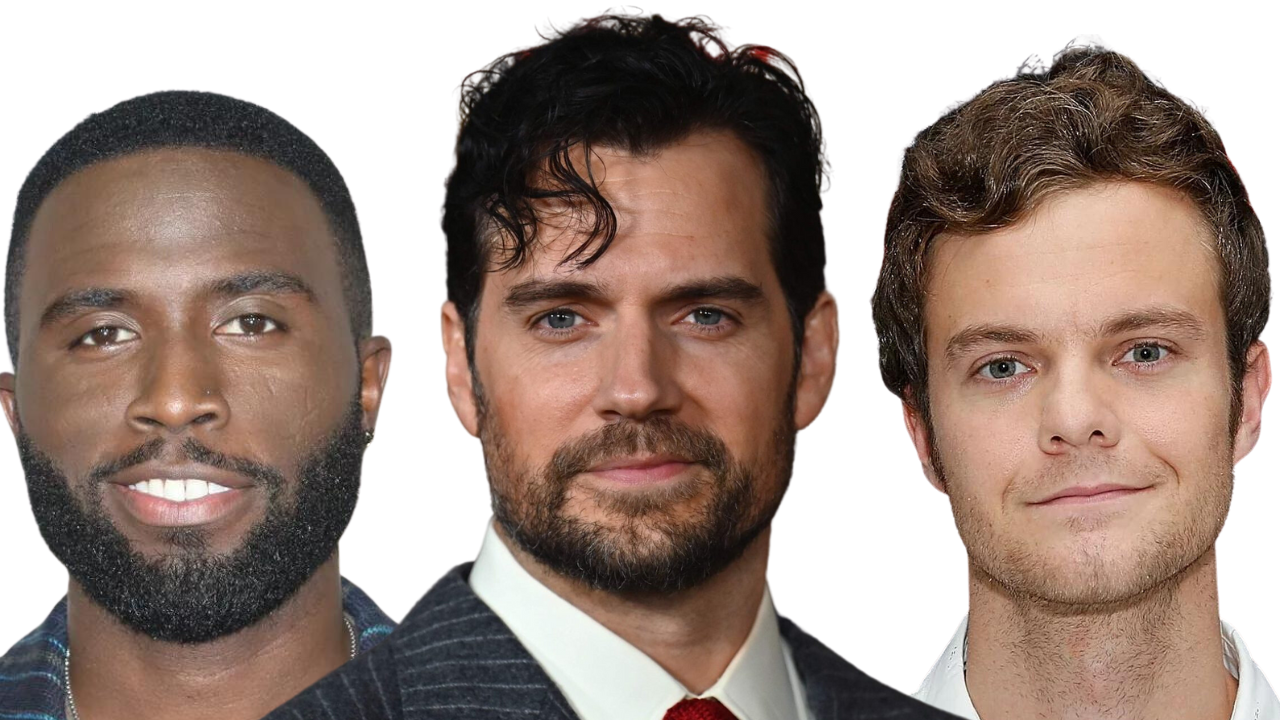
A square face works well with most hairstyles, from buzz cuts to French crops or quiffs.
Best Hairstyles: Close fades, side parts, and short layers. For Black Men: Textured Fade, Short Buzz Cut, Low Taper Fade with Longer Top.Triangle
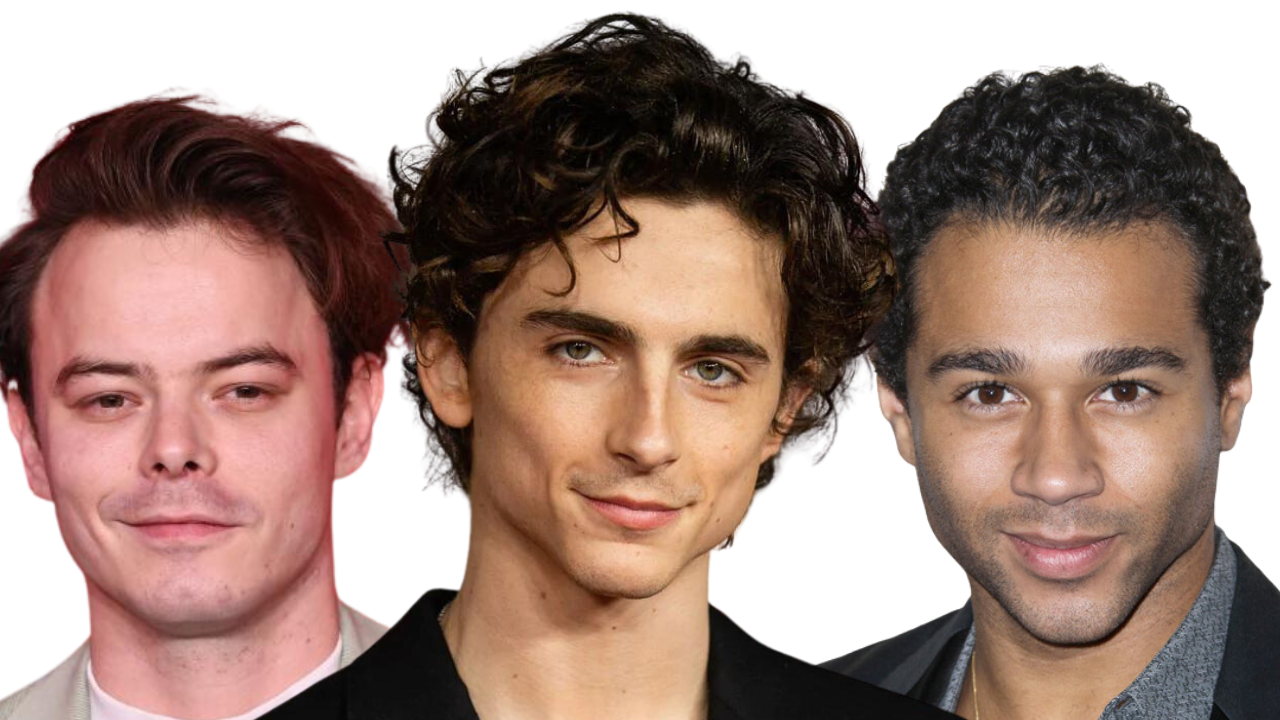
Focus on longer styles with fuller sides to create width and symmetry.
Best Hairstyles: Textured Fringe, Layered Cuts. Avoid very short sides. For Black Men: Afro, High-Top Fade, Textured Curls.Round
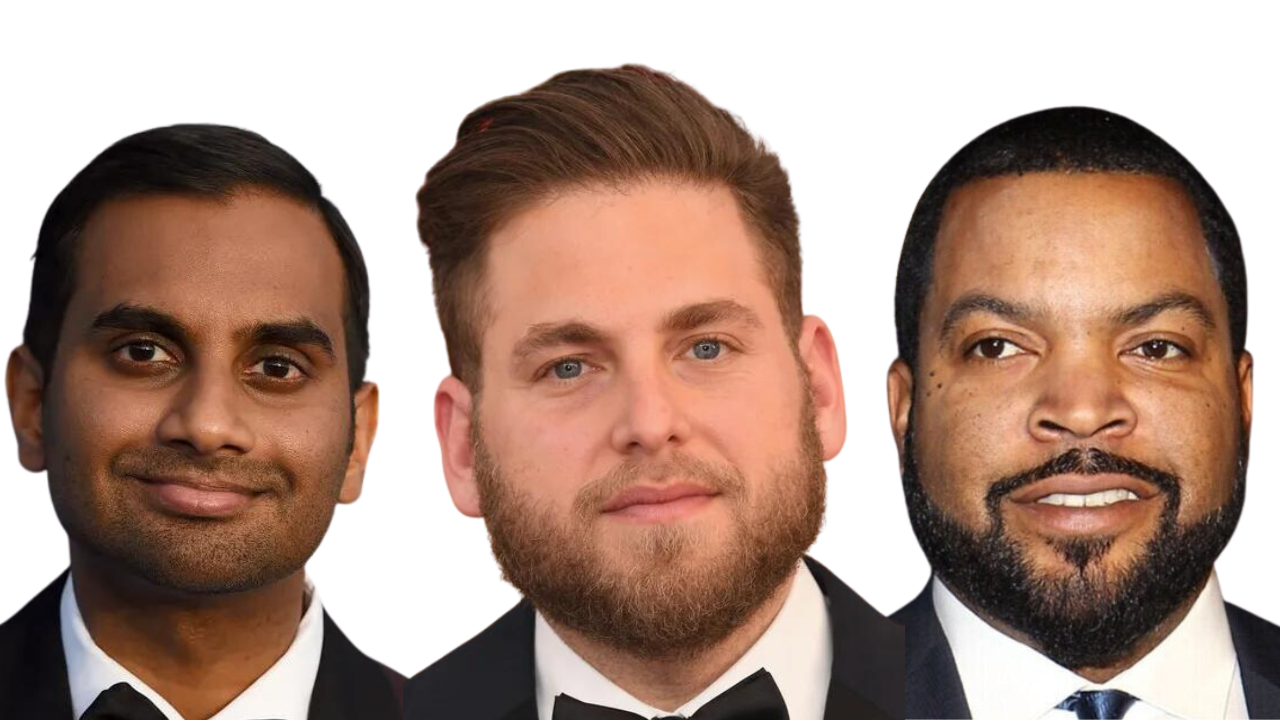
Styles with height on top and tighter sides work best, adding sharpness and balance.
Best Hairstyles: Pompadour or Flat Top, Front Fringe. For Black Men: Short Fade or Buzz Cut with longer top, Textured Crop with Side Part.Diamond
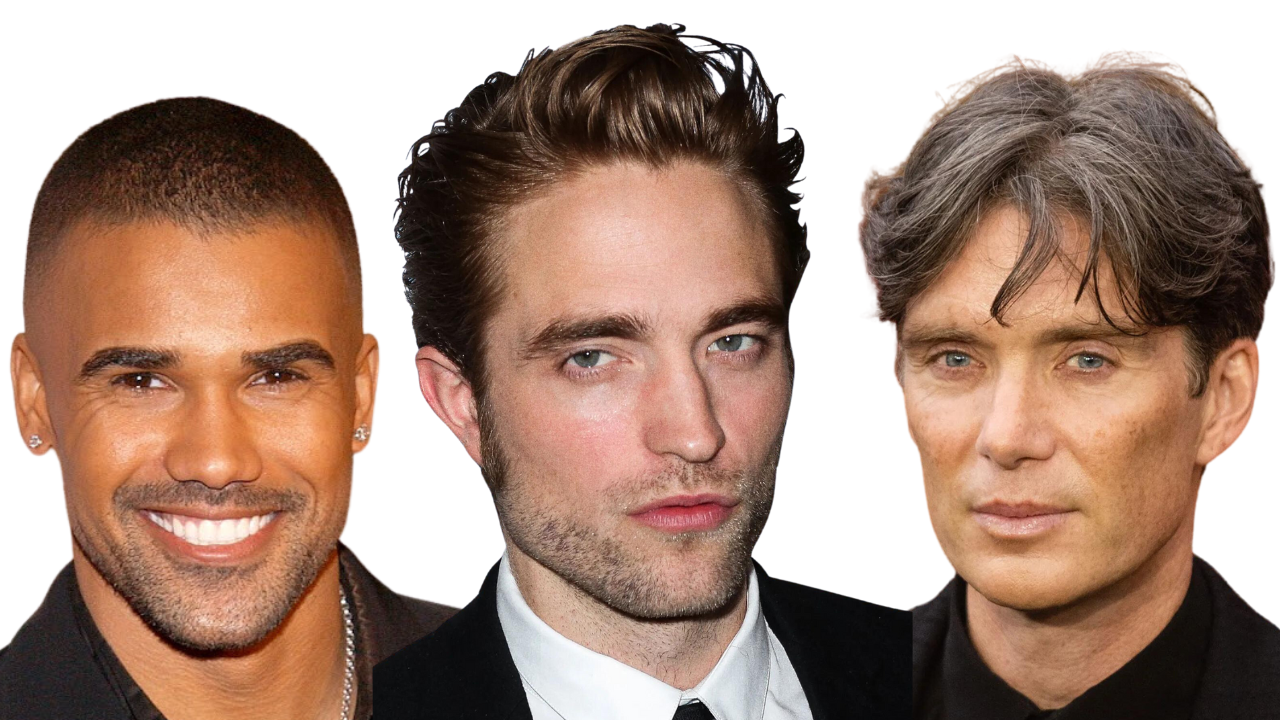
Prominent cheekbones with a narrower forehead and jawline require careful styling for balance.
Best Hairstyles: Fringes, Longer Styles, Side Sweeps or Deep Side Parts. Avoid very short sides. For Black Men: Short Back and Sides with Volume on Top, Textured Styles.Heart
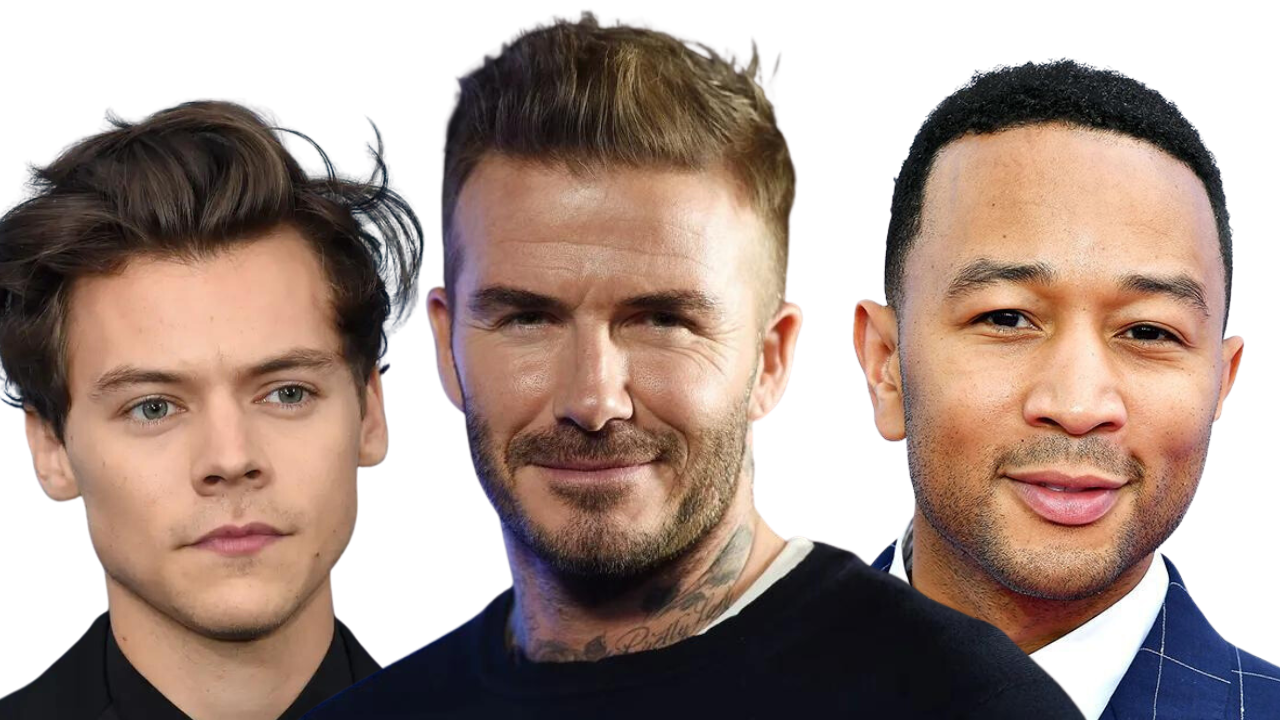
Avoid very short hairstyles on the sides, which can exaggerate the wider forehead and narrower chin.
Best Hairstyles: Medium-Length Swept Styles, Mid-Length or Long Hairstyles. For Black Men: Fade or Undercut with Volume on Top, Textured Top.Best Hair Cuts and Styles For Your Hair Type
Straight
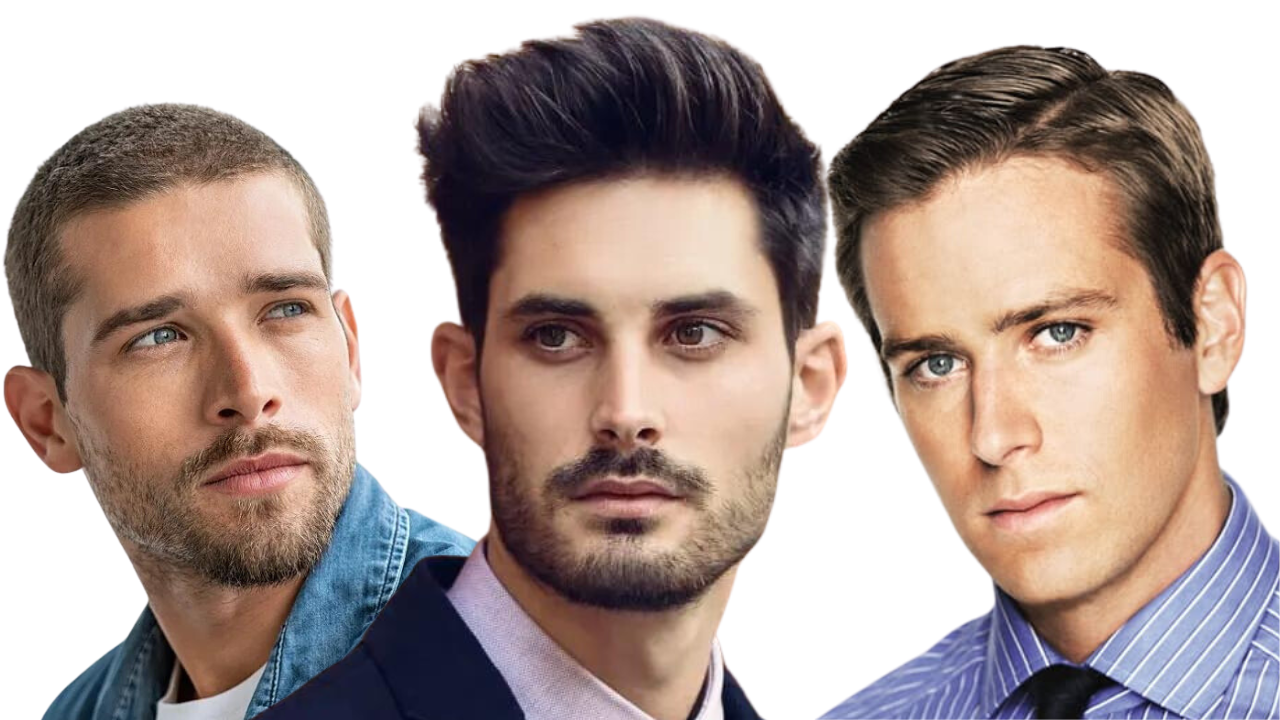
Straight hair is versatile and easy to style. A cut short on the sides and slightly longer on top works well. Use pomade to enhance thickness.
Best Hairstyles: Classic Crew Cut, Side Part, Pompadour, Textured Crop, Quiff.Curly
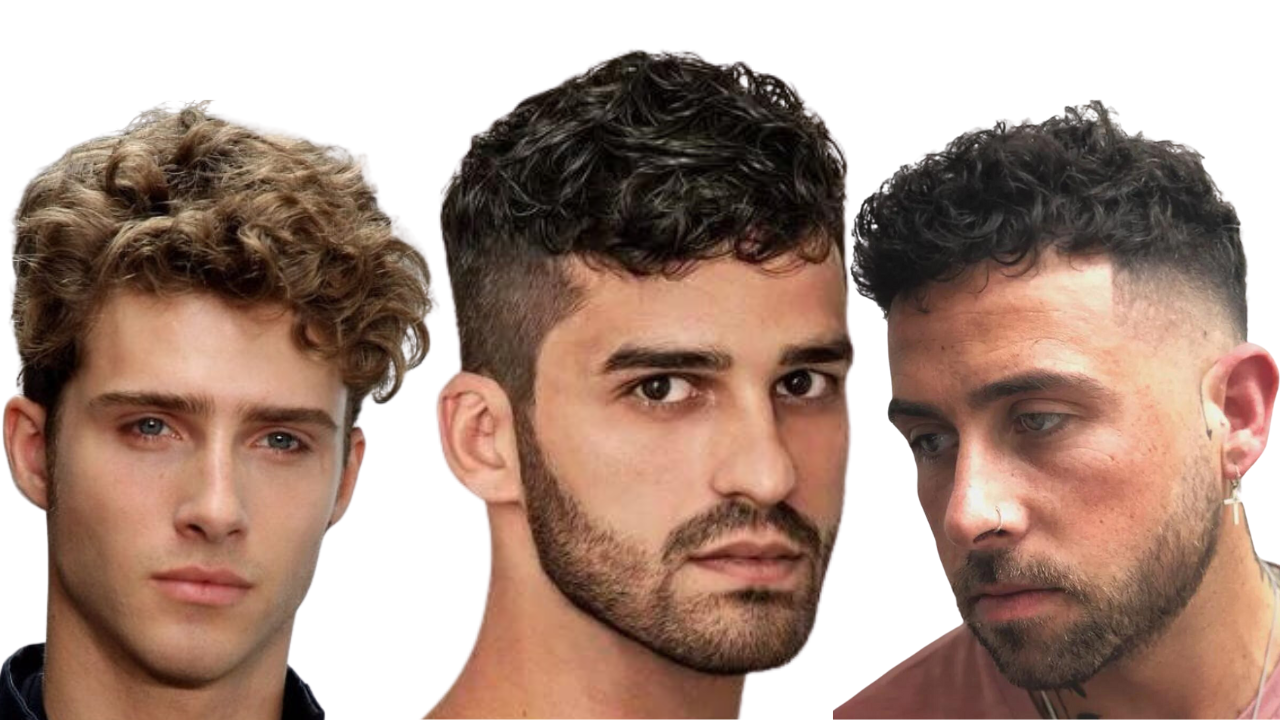
Curly hair's unique texture requires thoughtful styling. Shorter styles reduce maintenance; longer styles showcase texture.
Best Hairstyles: Textured Crew Cut, The Crop, Short Choppy Curls, The Quiff.Wavy

Wavy hair offers a carefree yet stylish vibe. Limit washing, avoid rough towel drying, and be cautious with heat styling.
Best Hairstyles: Slick Back ('Bro Flow'), Messy Wavy Style, Long Waves, Wavy Crew Cut.Coiled

Coiled (kinky) hair offers endless styling possibilities. Prioritize products that deeply moisturize.
Popular Styles: Afros, Twists or Braids, Dreads, Low Fade with Texture.Best Hairstyles For Thinning, Balding Hair or Receding Hairlines
Thinning Hair
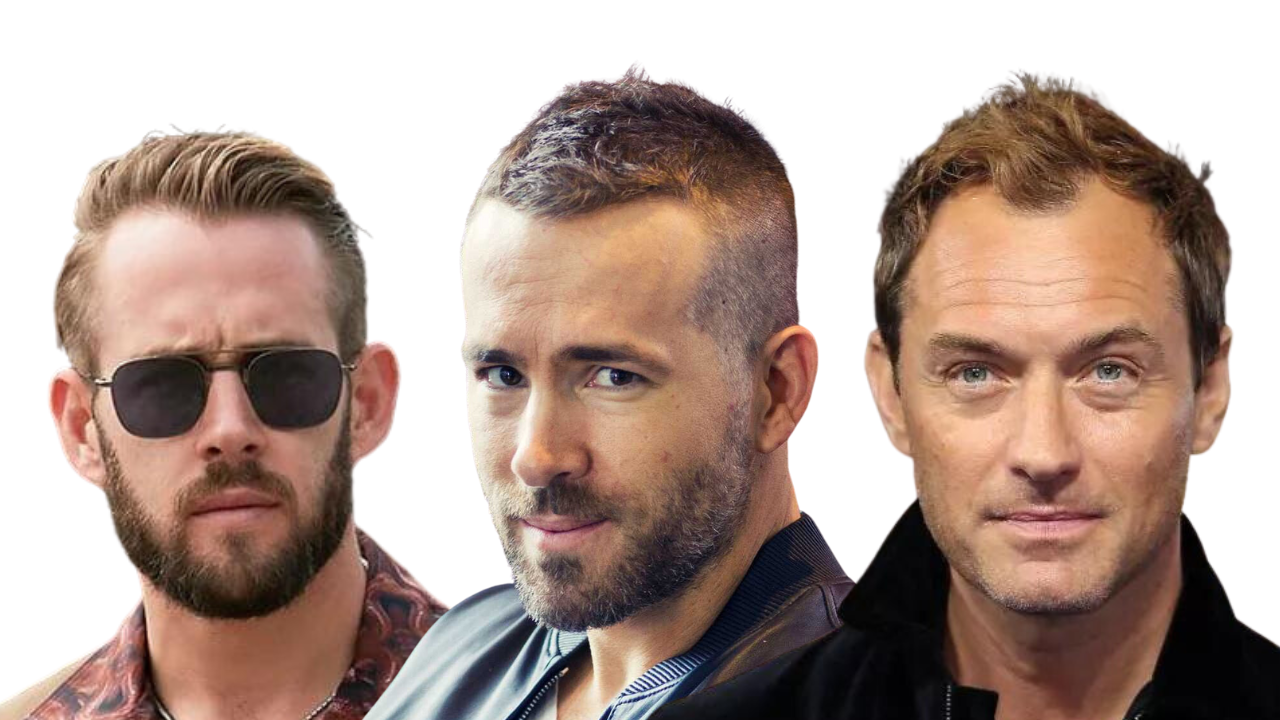
- Keep It Short on the Sides, Longer on Top: Creates a fuller look.
- Consider Hair Fillers: Products like fiber fillers add instant density.
- Use Targeted Treatments: Rogaine (minoxidil) or Viviscal can help maintain existing hair.
Balding
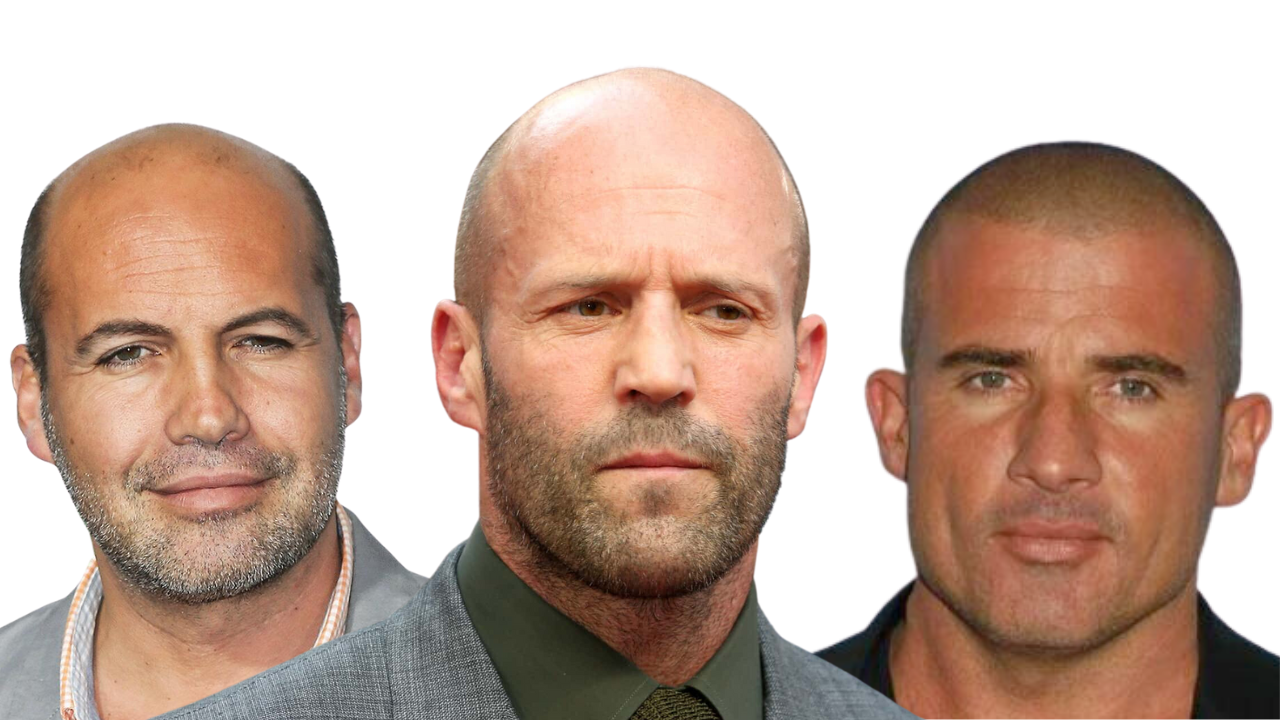
- Go Short: Minimizes contrast between thinning and fuller areas.
- Blend Bald Spots: Ask your barber to reduce density around bald spots.
- Consider the Jason Statham Look: Keep the hair super short for a clean, confident style.
- Full Shave: A bold and timeless bald look.
Receding Hairline
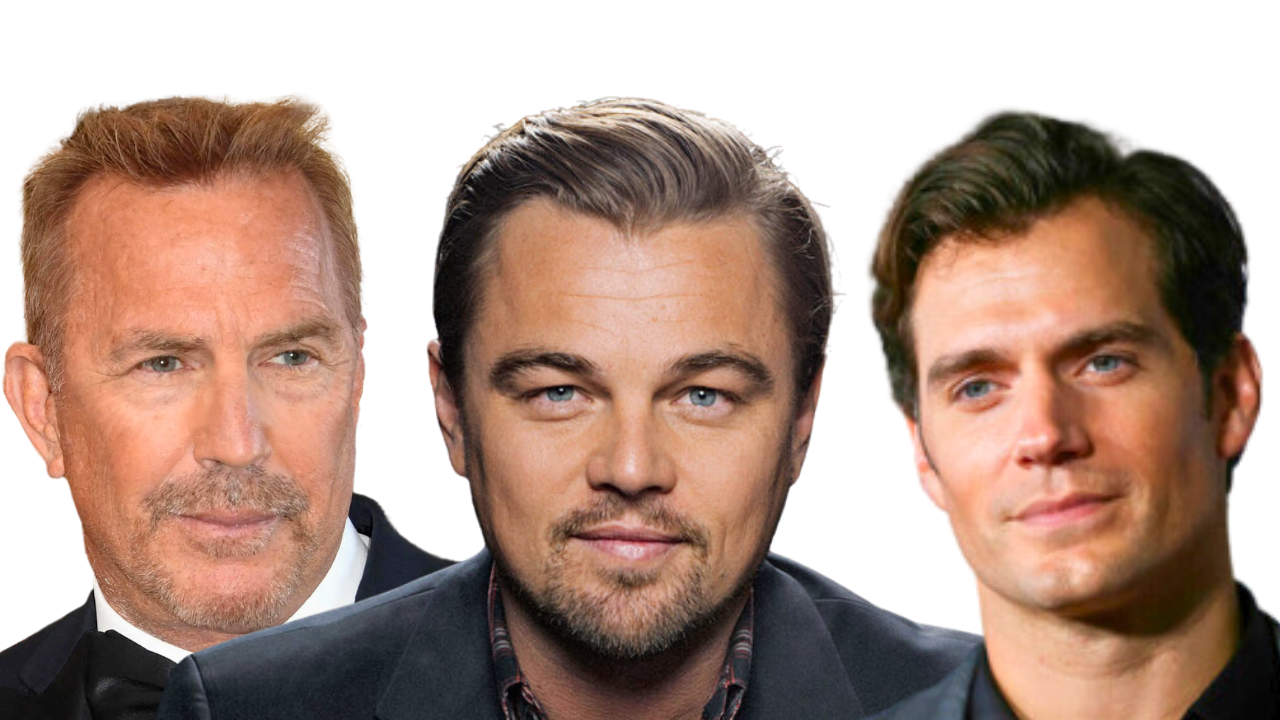
- Grow the Front Out: Slightly longer hair at the front helps blend with the hairline.
- Try a Side-Part: Draws attention away from the hairline.
- Use Hair Fillers: Products that add color and shadow create the appearance of a fuller hairline.
Bald
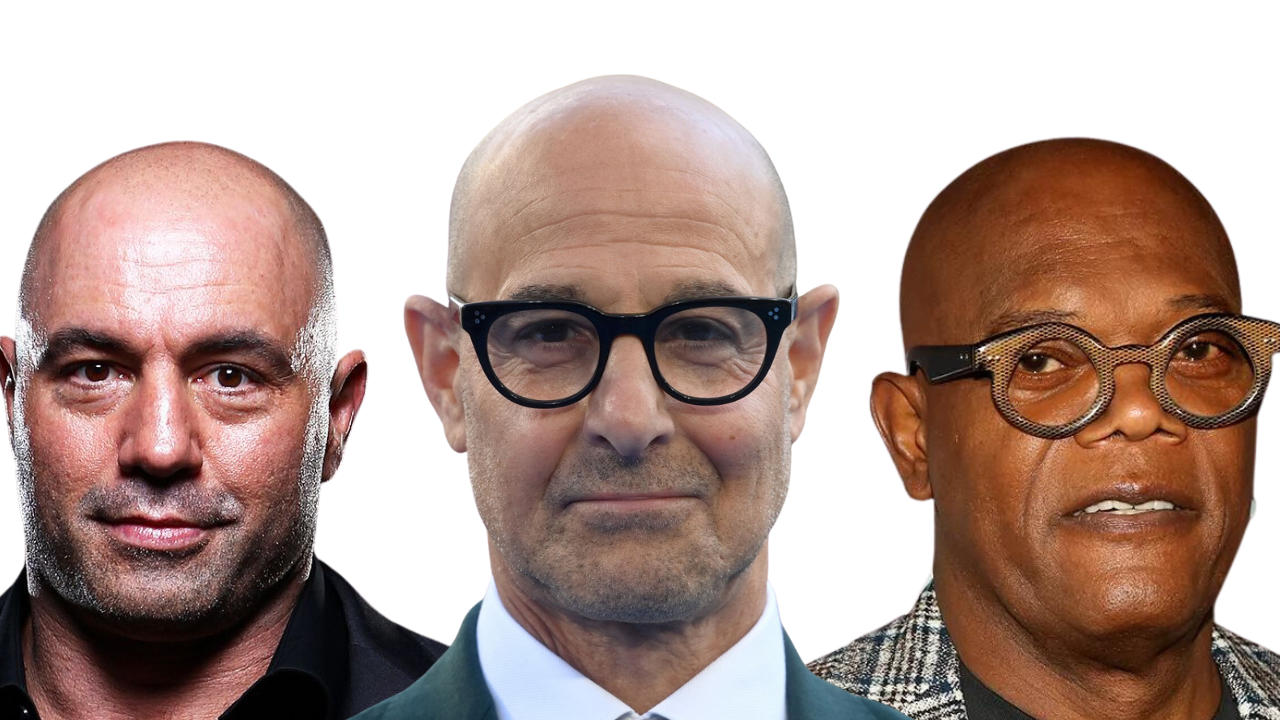
Nothing wrong with rocking a bald head — it's a bold and stylish look when embraced with confidence.
- Go for a Buzz Cut: Minimal, stylish, easy to maintain.
- Consider Facial Hair: Growing facial hair helps balance proportions.
- Confidence is Key: A well-maintained short or shaved style projects strength and self-assurance.
Best Haircuts for Wavy Hair Men
Wavy hair is the sweet spot of men's hair types — it has natural movement and texture without being hard to manage. Here's how to make the most of it:
Medium-Length Textured Styles
Let waves do the work. A medium-length cut (3-5 inches on top, tapered sides) showcases the natural wave without becoming unruly. Use a sea salt spray or light mousse to enhance texture.
The Wavy Crew Cut
A classic crew cut with enough length on top (2-3 inches) to show the wave. Low maintenance and always professional. Works for every face shape.
Slick Back ('Bro Flow')
Grow the top to 4-6 inches and slick it back with a medium-hold pomade. The waves create natural volume that straight-haired men can't achieve. Ideal for oval, square, and heart face shapes.
Messy Wavy Fringe
Let the front hang naturally with a textured, deliberately tousled look. Keep sides shorter with a taper or fade. Best for diamond, oval, and heart face shapes.
Products for Wavy Hair
- Sea salt spray: Enhances natural waves, adds texture
- Light-hold mousse: Defines waves without crunchiness
- Matte paste: For controlled, textured waves
- Avoid: Heavy gels and waxes that weigh waves down
Haircut Names for Men — A Visual Chart
Knowing the proper name for a haircut makes barber visits much more productive. Here are the most common men's haircut names:
Fades
- High Fade: Gradual taper starting high on the sides (above the temple)
- Mid Fade: Taper begins at the temple level
- Low Fade: Subtle taper beginning just above the ear
- Skin Fade: Fades all the way down to the skin
- Drop Fade: The fade follows the natural curve behind the ear
Classic Cuts
- Crew Cut: Short all around, slightly longer on top (1-2 inches)
- Buzz Cut: Uniform very short length using clippers
- Ivy League: A longer crew cut that can be parted and styled
- Caesar: Short, horizontally straight fringe with uniform length
- French Crop: Short sides, textured fringe on top
Longer Styles
- Pompadour: Volume swept up and back from the forehead
- Quiff: Hair pushed up at the front with shorter sides
- Side Part: Classic comb-over with a defined side part
- Undercut: Long top with shaved or buzzed sides
- Man Bun: Long hair tied into a bun at the back
Tell Your Barber
When visiting the barber, specify:
- The style name (e.g., "mid fade with a textured crop")
- Guard number for sides (#1 = 3mm, #2 = 6mm, #3 = 9mm, #4 = 12mm)
- Length on top in inches
- How you want the neckline (tapered, blocked, or rounded)
Best Haircuts by Face Shape
Your face shape is the single most important factor in choosing a haircut. Here's a quick overview — click through to each dedicated guide for full style breakdowns, photos, and facial hair pairings.
Oval Face
The most versatile face shape. Almost every haircut works — from textured crops and quiffs to side parts and buzz cuts. The key is matching the cut to your hair texture and lifestyle. Full guide →
Round Face
Round faces benefit from height and angular definition. Pompadours, high fades with textured tops, and side parts with volume all work well. Avoid styles that add width at the sides. Full guide →
Square Face
Strong jawlines complement most styles. Classic side parts, textured crops, crew cuts, and clean fades all work. You have the most freedom with shorter styles. Full guide →
Heart Face
A broader forehead and narrower chin mean you should reduce top-heavy appearance. Side-swept styles, medium-length textured cuts, and fringe work well. Avoid excessive volume on top. Full guide →
Diamond Face
Wide cheekbones with a narrow forehead and chin need width at the forehead level. Fringes, side parts with volume, and textured medium-length styles are ideal. Full guide →
Don't know your face shape? Start with our face shape guide.
Fade Haircuts for Men
Fades are the most popular technique in modern barbershops — and for good reason. A fade adds clean structure to any style on top.
The main types:- Low Fade — subtle, professional, starts just above the ear
- Mid Fade — the most popular choice, starts at the temple
- High Fade — bold and modern, starts in the upper third of the sides
- Skin Fade — blends all the way to bare skin for maximum contrast
- Taper Fade — the most conservative, never reaches the skin
Fades work with every hair type and face shape. The key is matching the fade level to the occasion and your natural proportions.
Read the complete Fade Haircut Guide →More Grooming Guides
- Male Pattern Hair Loss Treatments — Evidence-based treatments for thinning hair.
- Dandruff & Itchy Scalp Guide — Scalp health supports hair health.
- Men's Daily Skincare Routine — Scalp care is skin care.
- Men's Facial Hair Types & Beard Styles — Find the best beard for your face shape.
- Best Beard Styles for Your Face Shape — Match your beard to your proportions.
- Best Glasses for Your Face Shape — Frames that complement your cut.
Best Haircuts for Thick Hair
Thick hair holds volume and texture naturally — which means more styling options, but also more bulk to manage.
Textured crop: Keeps the top controlled while adding deliberate texture. Low maintenance — just towel dry and add a matte paste. Undercut: Short or faded sides with longer top removes bulk from the sides. The contrast highlights the natural thickness on top. Quiff: Thick hair holds a quiff without heavy product. Blow-dry back and up, then use a medium-hold clay or paste. Side part with taper: A classic look that uses thickness as an advantage. The volume on top creates a clean, structured silhouette. What to avoid: Very long, all-one-length cuts — thick hair will mushroom out. Heavy layering can help, but avoid thinning shears that create frizzy ends. Product tips: Use clay or matte paste for texture. Avoid heavy gels or creams that weigh thick hair down. See our fade guide for complementary fade options.Best Haircuts for Thin Hair
Thin or fine hair benefits from cuts that create the appearance of density and volume.
Buzz cut: The great equalizer. No visible thinning, zero maintenance, and a clean, confident look. See our low-maintenance haircuts guide. Crew cut: Short on sides with slightly longer top. Creates the impression of fullness without requiring volume that isn't there. Textured fringe: A forward-styled fringe with choppy texture can disguise a receding hairline or sparse crown. Caesar cut: A short, forward-styled cut with a horizontal fringe. Works well for thin hair because it avoids exposing the scalp. What to avoid: Long styles that expose scalp, comb-overs, and heavy product that clumps fine hair together. Product tips: Use lightweight volumizing spray or sea salt spray before blow-drying. Avoid wax, pomade, or anything heavy. Matte texturizing powder adds volume without weight.Haircuts by Lifestyle Stage
Your haircut should reflect your daily routine and maintenance preferences — not a number.
Minimal maintenance (5 minutes or less): Buzz cut, crew cut, or a simple taper. Wash, towel dry, walk out. Best for active lifestyles and frequent gym-goers. See low-maintenance cuts. Moderate maintenance (5-10 minutes): Textured crop, quiff, or side part. Requires basic blow-drying and a small amount of product. Works for most professionals. High maintenance (10+ minutes): Pompadour, slick back, or longer styled cuts. Requires blow-drying, quality product, and periodic barber visits. Best when appearance is part of your work or personal expression. Transition considerations: Moving from a longer style to a shorter one is easier than the reverse. If you're considering a change, discuss the grow-out phase with your barber — they can plan intermediate cuts that look intentional. Barber frequency: Minimal maintenance cuts need a trim every 2-3 weeks. Moderate every 3-4 weeks. High maintenance every 4-6 weeks. Budget accordingly — a good barber is a recurring investment.